Artemis Moon Mission – Complete Update


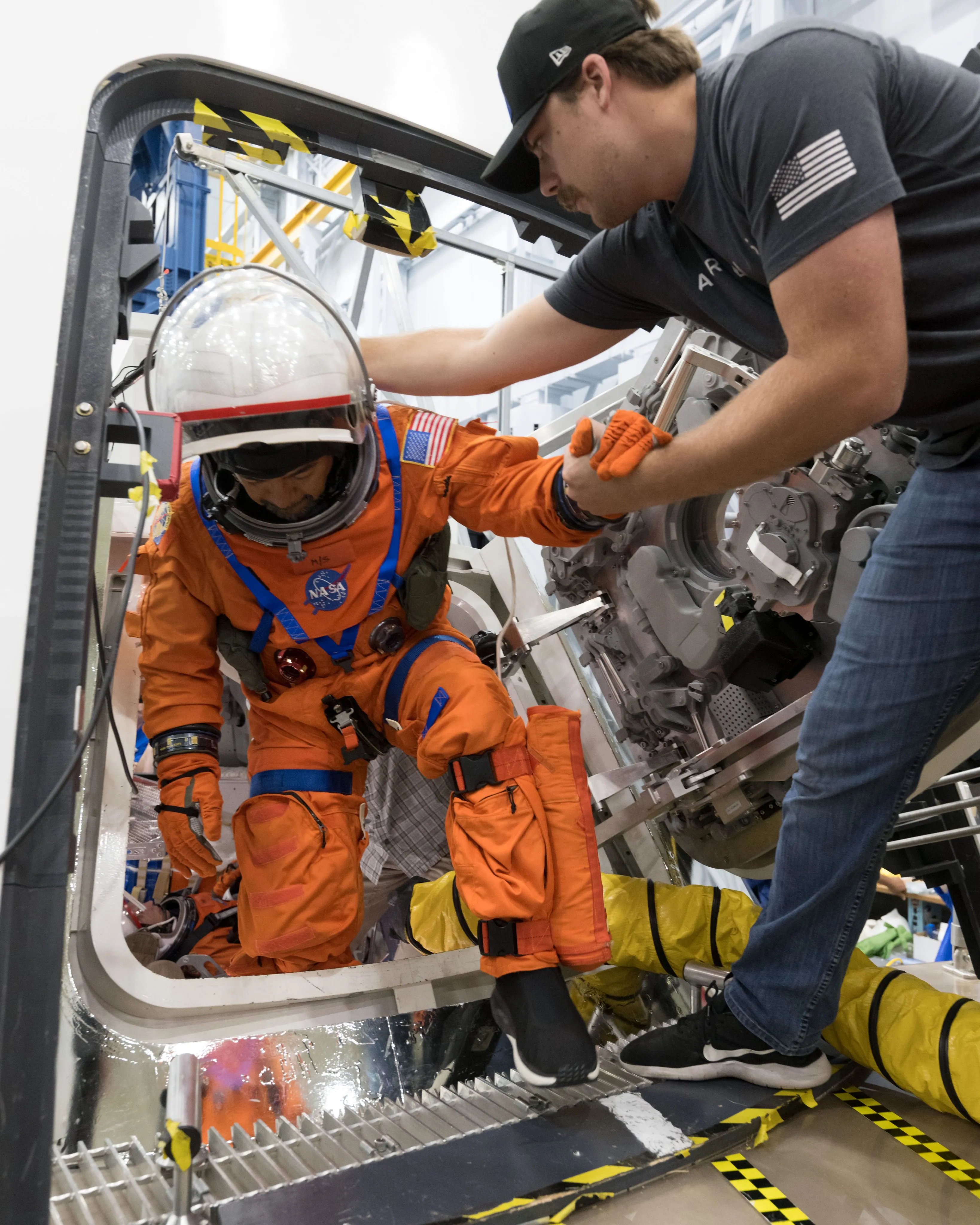
NASA’s Artemis program is the modern return to human lunar exploration. It is not just about reaching the Moon again, but about building the systems, procedures, and infrastructure required for sustained deep-space operations.
The broader objective is to move beyond the short-duration model of Apollo and create a repeatable path for missions to the lunar vicinity, the lunar surface, and eventually Mars. Artemis combines NASA hardware, international partnerships, and commercial systems into one long-term exploration architecture.

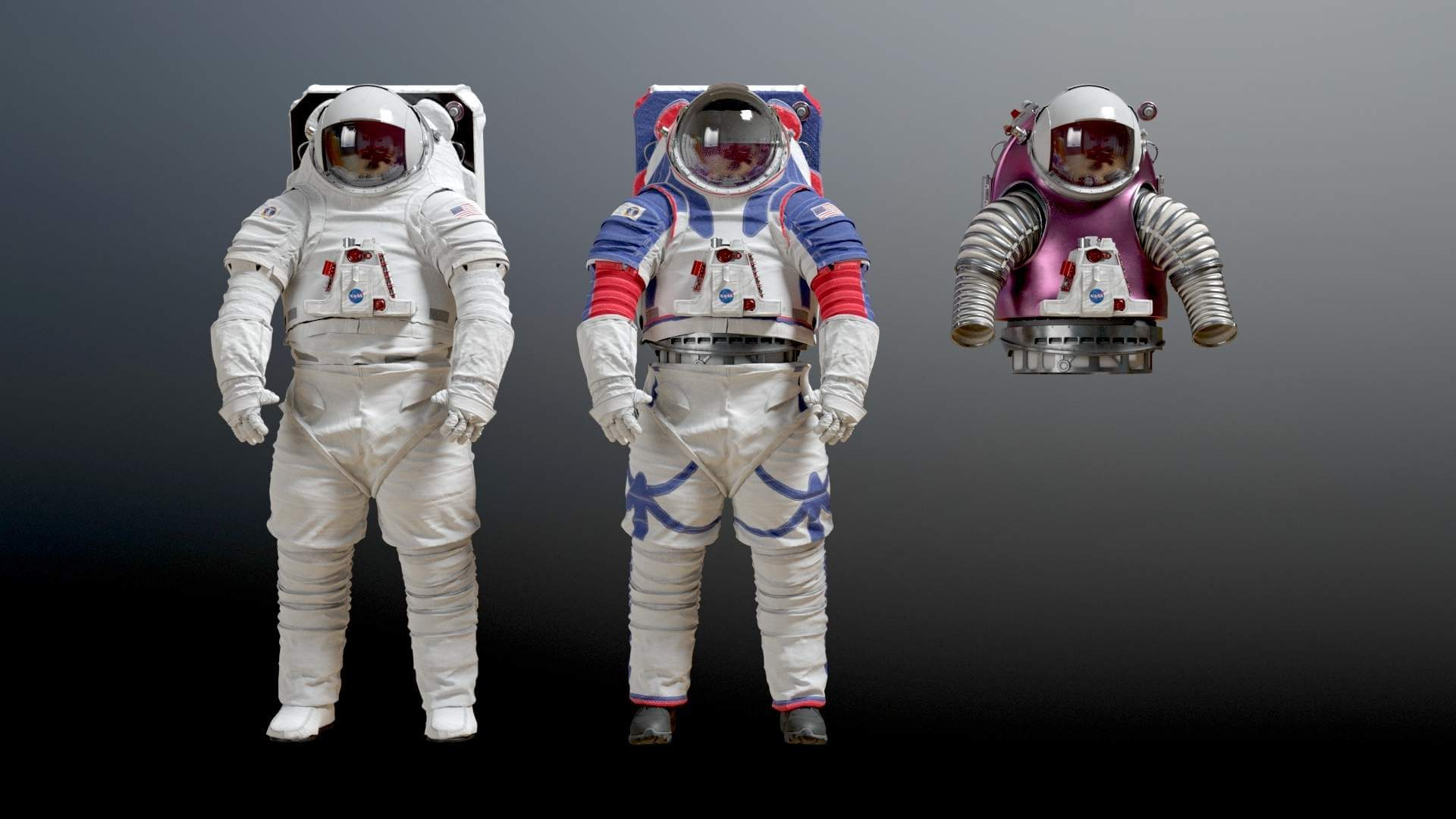
The program centers around Orion, the Space Launch System, lunar surface systems, modern spacesuits, and future support infrastructure such as Gateway. Together, these elements are intended to transition human spaceflight from isolated missions into a continuing operational presence beyond low Earth orbit.
Artemis II is the first crewed Artemis mission and the first time astronauts will travel beyond low Earth orbit under the program. The flight is designed to validate Orion’s life-support capability, crew interfaces, avionics, communications, mission operations, and recovery procedures during an actual lunar flyby mission profile.
This mission serves as the critical bridge between uncrewed validation and future surface operations. By sending astronauts around the Moon and safely back to Earth, NASA verifies that the transportation stack can support human deep-space travel under real mission conditions.

Artemis II is as much a systems mission as a symbolic one. Every activity performed by the crew, from launch operations to translunar flight, informs later landing missions. The success of this flight is a foundational requirement for the next steps in the Artemis campaign.
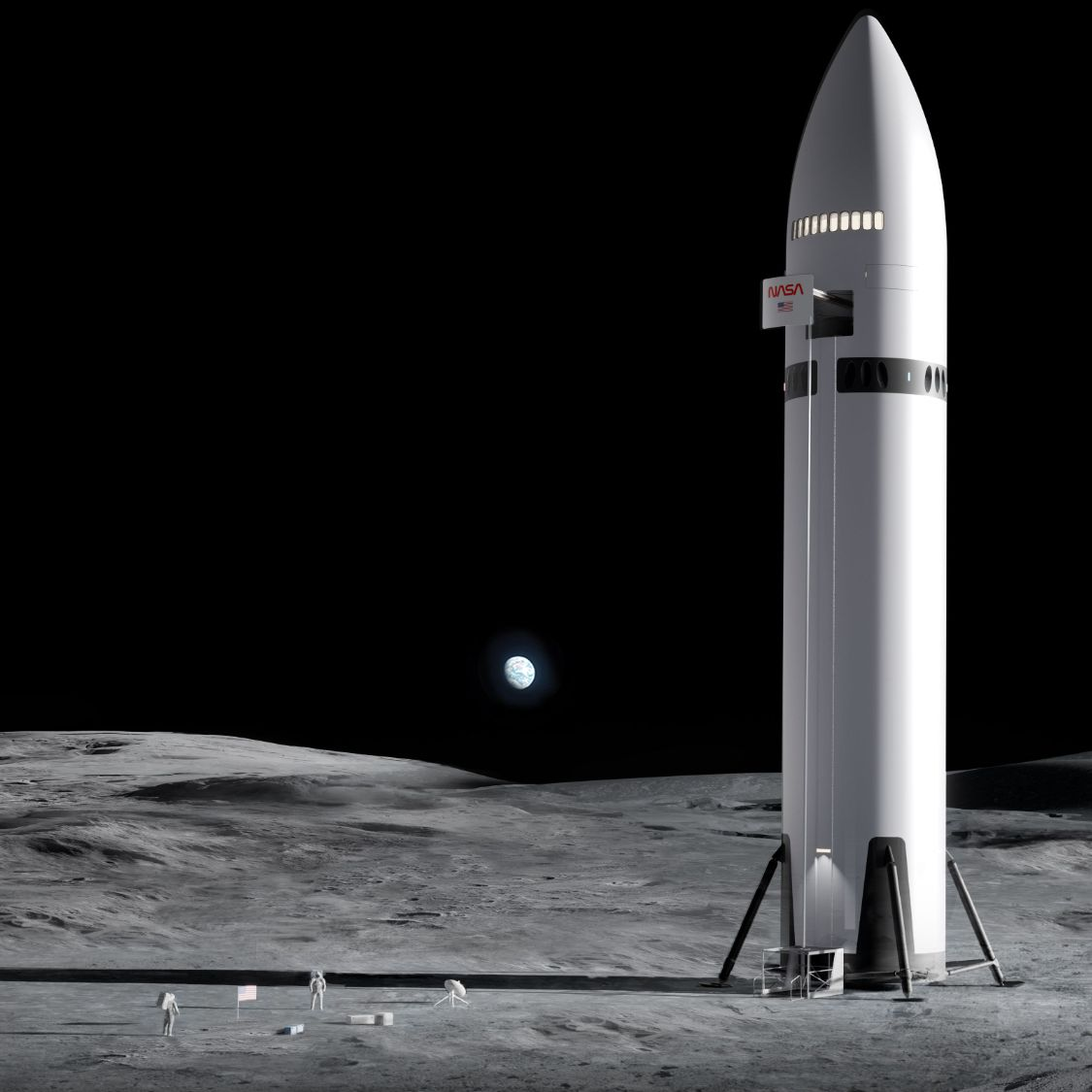
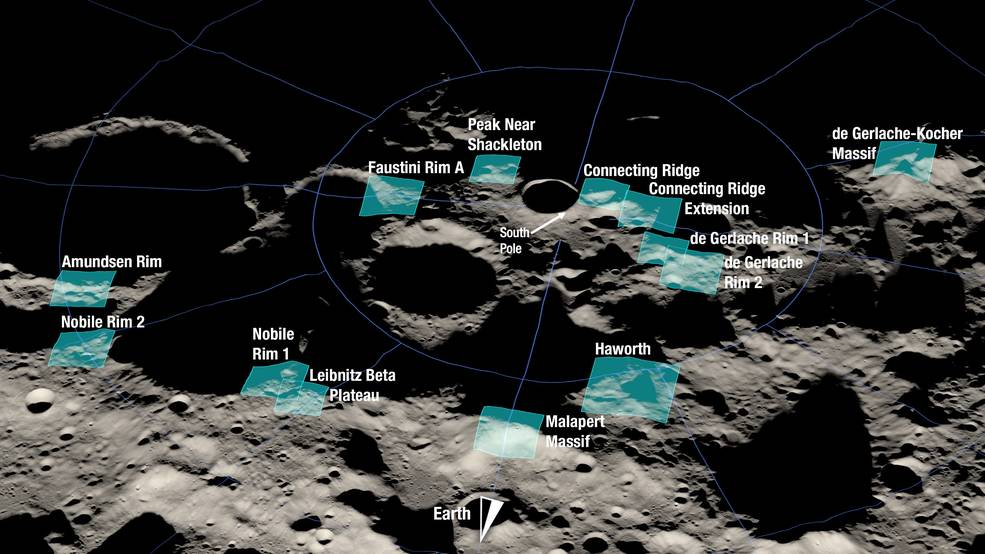
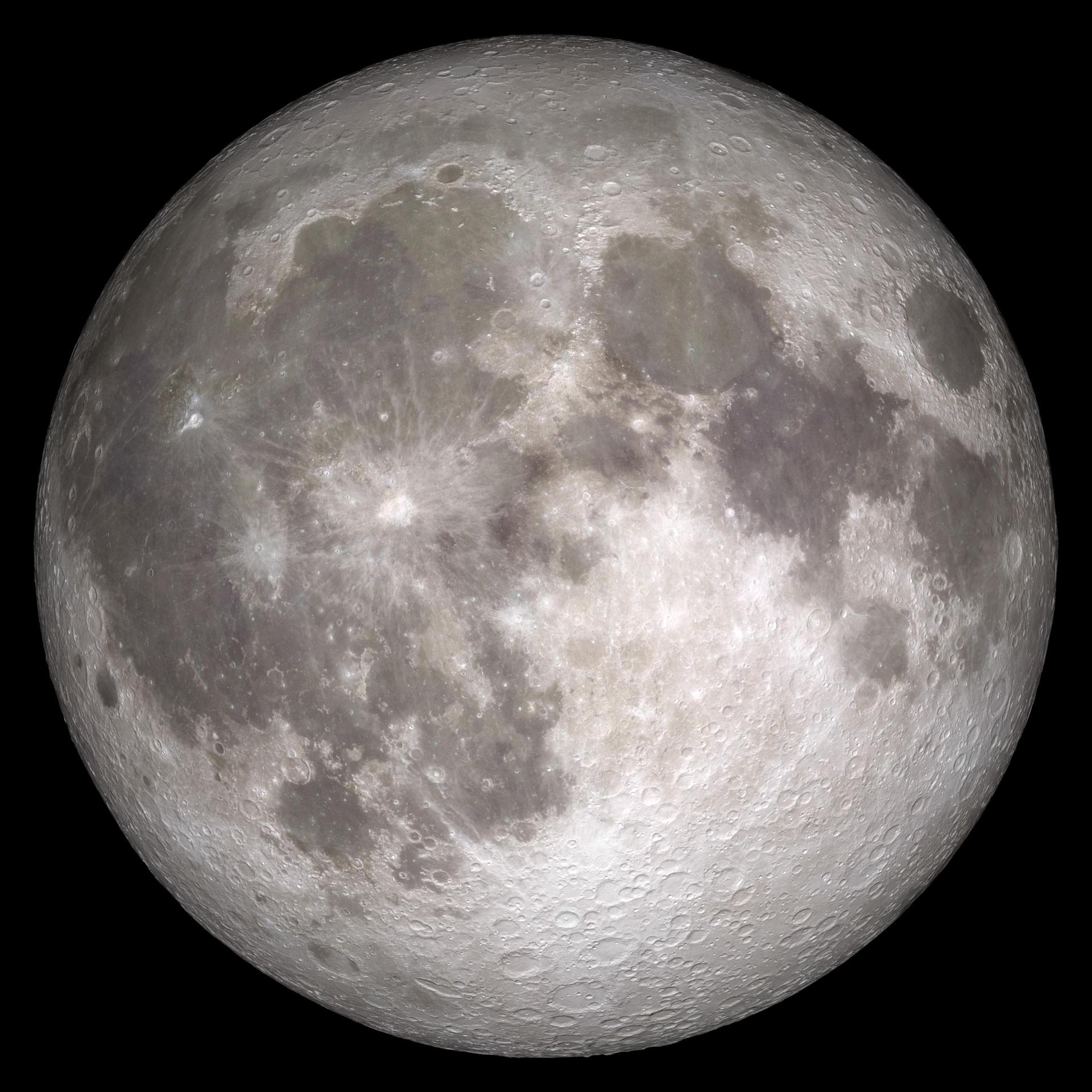
Artemis III is intended to place astronauts on the lunar surface, with particular emphasis on the south polar region. That area is scientifically important because permanently shadowed regions may contain water ice and other volatiles that could support future exploration and resource utilization.
A south-pole landing would support science, technology demonstrations, and operational learning under more demanding conditions than the equatorial Apollo sites. NASA’s long-term vision depends on learning how humans can live and work productively in that environment.

This mission is also intended to demonstrate that lunar exploration is evolving from a one-off achievement into a repeatable architecture. Surface missions are expected to contribute both scientific return and operational experience for future deep-space expeditions.
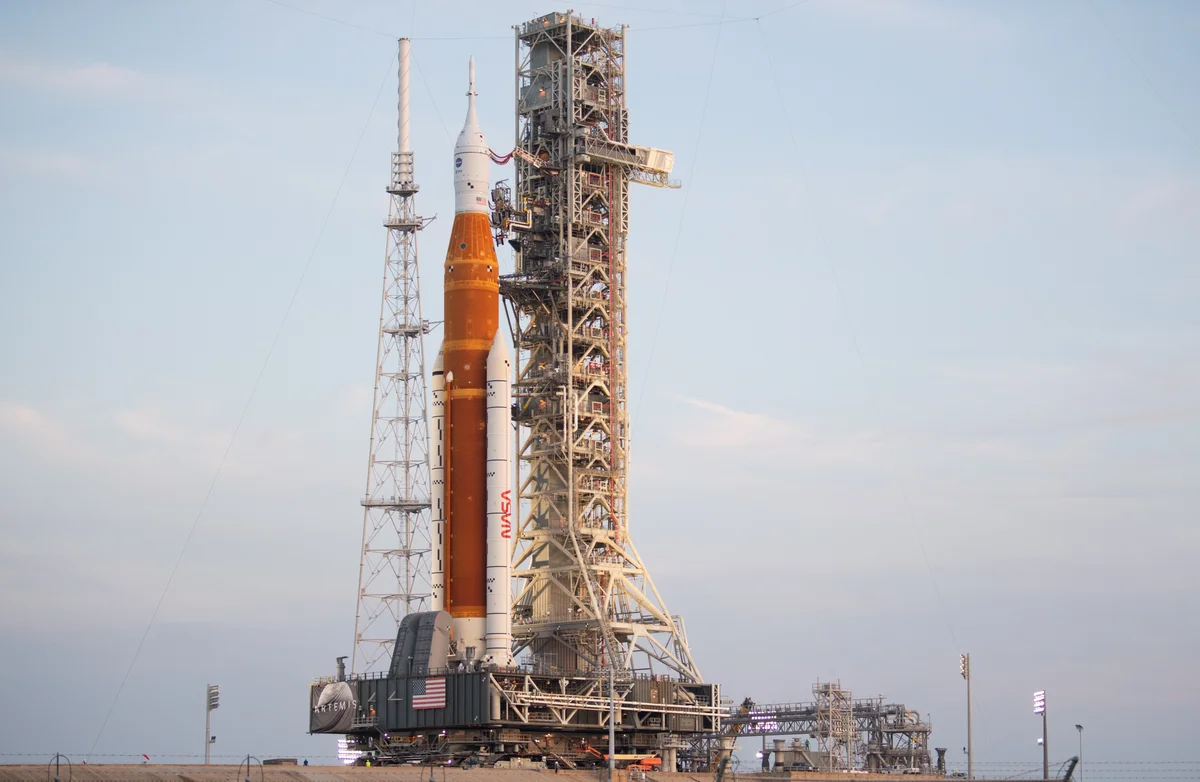
The Space Launch System provides the heavy-lift capability required to send Orion and supporting hardware beyond Earth orbit. It is central to Artemis mission architecture because it delivers the energy needed for translunar injection and deep-space trajectories.
SLS is designed to support missions that exceed the capabilities of conventional low Earth orbit launch profiles. For Artemis, that means transporting crewed spacecraft toward the Moon with the performance margin needed for exploration missions.

As Artemis evolves, the launch vehicle remains one of the key enabling systems for moving crews and exploration hardware into deep-space mission regimes.
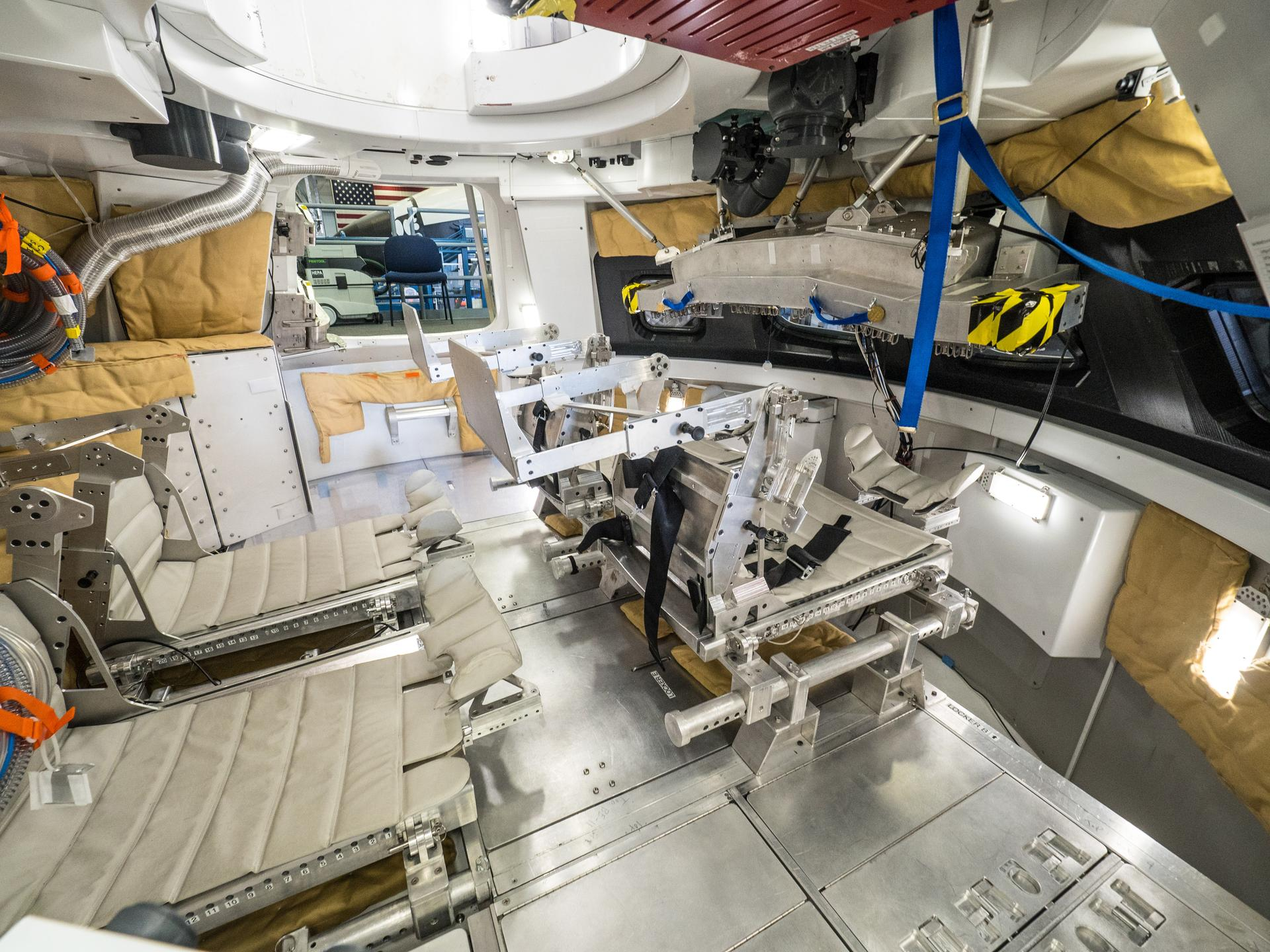
Orion is NASA’s exploration spacecraft for Artemis. It is designed to carry astronauts farther from Earth than prior modern crew vehicles and to keep them alive and productive during deep-space flight. That includes environmental control, guidance, navigation, communications, and safe Earth reentry.
Orion is not merely a capsule for launch and landing. It is the crew’s primary transportation environment during the mission, which makes its systems performance essential for every Artemis flight.
Its deep-space role distinguishes it from vehicles optimized mainly for low Earth orbit service. For Artemis, Orion is the crew’s link between Earth, lunar space, and the return journey home.
Beyond individual missions, Artemis supports a larger exploration framework that includes Gateway and additional surface-support systems. Gateway is intended to serve as a lunar-orbit staging and support platform for future missions and for broader international participation.
This approach shifts lunar exploration from isolated sorties toward an integrated campaign model. The Moon becomes a place where hardware, operations, science, and logistics can be developed over time instead of a destination visited only briefly.
Taken together, Orion, SLS, landing systems, suits, and future orbital and surface assets define Artemis as a long-range exploration program rather than a single mission series.
Artemis matters because it reopens human exploration beyond low Earth orbit using modern systems, current operational standards, and an architecture built for continuation rather than symbolism alone.
Apollo proved humans could reach the Moon. Artemis is intended to prove humans can return repeatedly, work there effectively, and use the experience to prepare for still more distant missions.
The result is a new phase of space exploration: not simply going back, but building the capability to remain active far beyond Earth.