John Henrik Clarke


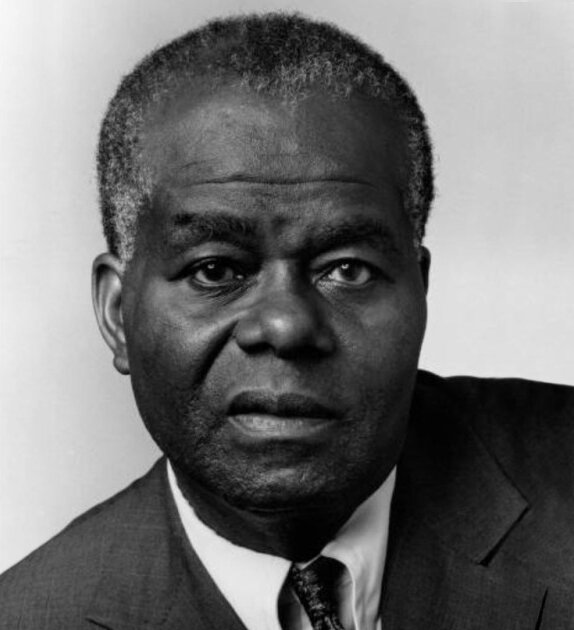
John Henrik Clarke (1915–1998) was a pioneering historian who helped redefine how African and African-American history is studied in the United States.
He was largely self-educated, rose from humble beginnings in Alabama, and became one of the most influential independent Black scholars of the 20th century.
Open the photo sections below for more images of Dr. Clarke. Extra images overflow into a separate accordion automatically (see “More Photos”).
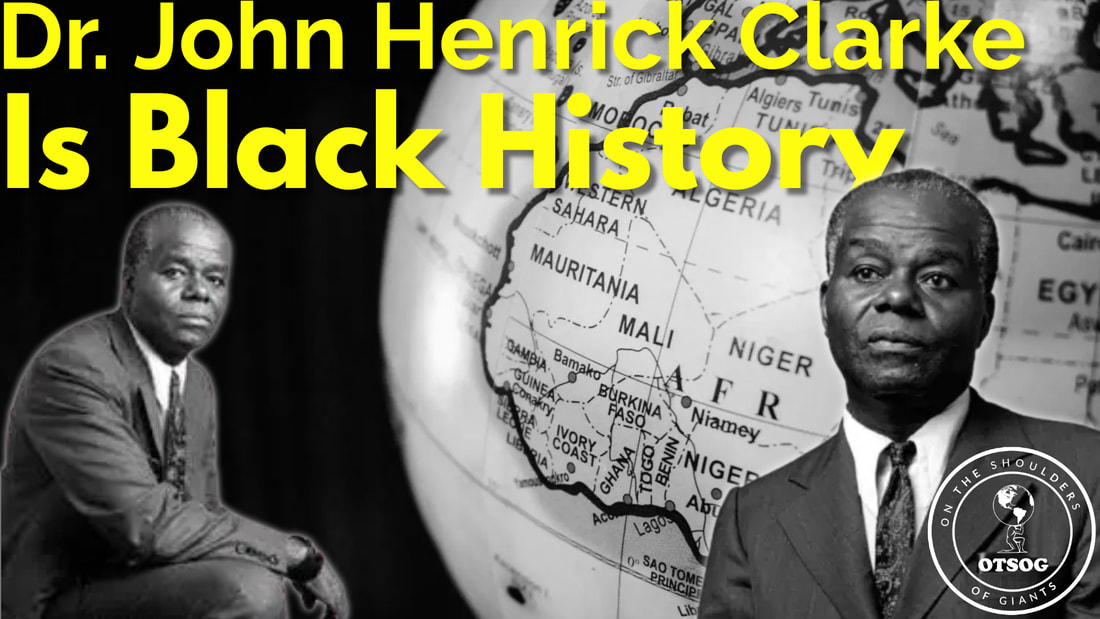

Born in Union Springs, Alabama, Clarke moved north during the Great Migration. Harlem became his intellectual home.
Through disciplined self-study, debate, and community engagement, he built a reputation as a rigorous thinker and cultural advocate.
Clarke challenged Eurocentric narratives and emphasized Africa’s foundational role in world civilization.
“History is a clock that people use to tell their political and cultural time of day.”
- Africa as civilizational center
- Global Black identity
- Cultural continuity
- Intellectual independence
Clarke helped shape Africana Studies departments in universities during the 1960s and 70s.
He believed scholarship must serve the community and not remain isolated in academic silos.
- Worlds of Fire
- African People in World History
- Lectures and essays shaping Africana Studies
Clarke’s work continues to influence scholars, activists, and institutions worldwide.
His legacy lives in Africana Studies programs, community libraries, and independent scholarship movements.