Sermon on the Mount – Full Teaching (Matthew 5–7)


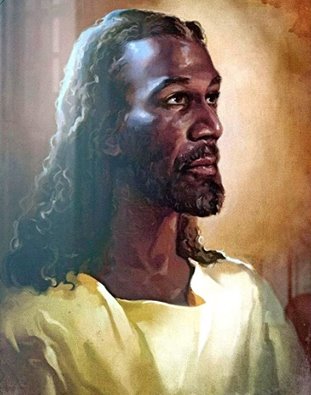
The Sermon on the Mount is one of the best known and most influential collections of teachings given by Jesus Christ. It appears in the Gospel of Matthew, chapters 5 through 7, and presents a vision of the kingdom of God that reaches beyond outward religion into the inner life of the heart.
In this sermon, Jesus speaks about blessing, righteousness, mercy, prayer, forgiveness, humility, trust in God, and obedience. He teaches that true holiness is not merely external rule-following but a transformed life shaped by love, truth, purity, and faithfulness.
The sermon begins with the Beatitudes, continues through teachings on salt and light, the deeper meaning of the law, prayer, fasting, generosity, anxiety, judgment, discernment, and concludes with a call to hear and obey his words like a wise person building a house on rock.

Blessed are the poor in spirit: for theirs is the kingdom of heaven.
Blessed are they that mourn: for they shall be comforted.
Blessed are the meek: for they shall inherit the earth.
Blessed are they which do hunger and thirst after righteousness: for they shall be filled.
Blessed are the merciful: for they shall obtain mercy.
Blessed are the pure in heart: for they shall see God.
Blessed are the peacemakers: for they shall be called the children of God.
Blessed are they which are persecuted for righteousness’ sake: for theirs is the kingdom of heaven.
Blessed are ye, when men shall revile you, and persecute you, and shall say all manner of evil against you falsely, for my sake.
Rejoice, and be exceeding glad: for great is your reward in heaven: for so persecuted they the prophets which were before you.
The Beatitudes announce the values of God’s kingdom. They honor humility over pride, mercy over harshness, purity over corruption, and peace over conflict. Jesus reveals that the truly blessed life is not centered on status, wealth, or power, but on dependence upon God and alignment with his will.

Ye are the salt of the earth: but if the salt have lost his savour, wherewith shall it be salted? it is thenceforth good for nothing, but to be cast out, and to be trodden under foot of men.
Ye are the light of the world. A city that is set on an hill cannot be hid.
Neither do men light a candle, and put it under a bushel, but on a candlestick; and it giveth light unto all that are in the house.
Let your light so shine before men, that they may see your good works, and glorify your Father which is in heaven.
Here Jesus tells his followers that their lives are meant to preserve goodness and reveal truth. Salt suggests moral influence, faithfulness, and purity. Light suggests witness, visibility, and divine reflection. A faithful life is never meant to remain hidden.
Think not that I am come to destroy the law, or the prophets: I am not come to destroy, but to fulfil.
For verily I say unto you, Till heaven and earth pass, one jot or one tittle shall in no wise pass from the law, till all be fulfilled.
Whosoever therefore shall break one of these least commandments, and shall teach men so, he shall be called the least in the kingdom of heaven: but whosoever shall do and teach them, the same shall be called great in the kingdom of heaven.
For I say unto you, That except your righteousness shall exceed the righteousness of the scribes and Pharisees, ye shall in no case enter into the kingdom of heaven.
Jesus does not abolish God’s moral will. He fulfills it and reveals its true depth. The righteousness of the kingdom is not shallow performance. It is a righteousness of truth, motive, and obedience from the heart.
Ye have heard that it was said by them of old time, Thou shalt not kill.
But I say unto you, That whosoever is angry with his brother without a cause shall be in danger of the judgment.
Therefore if thou bring thy gift to the altar, and there rememberest that thy brother hath ought against thee;
Leave there thy gift before the altar, and go thy way; first be reconciled to thy brother, and then come and offer thy gift.
Jesus teaches that murder begins in the heart through anger, contempt, and broken relationships. Worship cannot be separated from reconciliation. The kingdom demands peace-making, not merely the avoidance of violence.
Ye have heard that it was said by them of old time, Thou shalt not commit adultery:
But I say unto you, That whosoever looketh on a woman to lust after her hath committed adultery with her already in his heart.
Jesus continues by exposing sin at the level of desire, intention, and imagination. He calls for purity that is inward and radical.
He also speaks about marriage, divorce, and truthfulness, insisting that relationships and speech be governed by covenant faithfulness and honesty.
But let your communication be, Yea, yea; Nay, nay: for whatsoever is more than these cometh of evil.
The disciple of Christ is to be clean in thought, faithful in commitment, and truthful in speech.
Ye have heard that it hath been said, An eye for an eye, and a tooth for a tooth:
But I say unto you, That ye resist not evil: but whosoever shall smite thee on thy right cheek, turn to him the other also.
Love your enemies, bless them that curse you, do good to them that hate you, and pray for them which despitefully use you, and persecute you;
That ye may be the children of your Father which is in heaven.
For he maketh his sun to rise on the evil and on the good, and sendeth rain on the just and on the unjust.
Be ye therefore perfect, even as your Father which is in heaven is perfect.
This section is among the most radical in the sermon. Jesus rejects vengeance as the governing rule for his followers. Instead, he calls for generosity, restraint, prayer, and active love toward enemies. The standard is the character of God himself.

Take heed that ye do not your alms before men, to be seen of them.
Jesus warns against religious performance. Charity, prayer, and fasting are not to be done for applause, but before God in sincerity and humility.
After this manner therefore pray ye:
Our Father which art in heaven, Hallowed be thy name.
Thy kingdom come. Thy will be done in earth, as it is in heaven.
Give us this day our daily bread.
And forgive us our debts, as we forgive our debtors.
And lead us not into temptation, but deliver us from evil.
For thine is the kingdom, and the power, and the glory, for ever. Amen.
He also connects prayer with forgiveness, showing that relationship with God is inseparable from mercy toward others.
Lay not up for yourselves treasures upon earth, where moth and rust doth corrupt, and where thieves break through and steal:
But lay up for yourselves treasures in heaven.
For where your treasure is, there will your heart be also.
The light of the body is the eye: if therefore thine eye be single, thy whole body shall be full of light.
No man can serve two masters: for either he will hate the one, and love the other.
Ye cannot serve God and mammon.
Jesus teaches that the heart follows what it values. Spiritual clarity depends on inward focus, and ultimate loyalty cannot be divided between God and materialism.

Therefore I say unto you, Take no thought for your life, what ye shall eat, or what ye shall drink.
Behold the fowls of the air: for they sow not, neither do they reap, nor gather into barns; yet your heavenly Father feedeth them.
Consider the lilies of the field, how they grow; they toil not, neither do they spin:
And yet I say unto you, That even Solomon in all his glory was not arrayed like one of these.
But seek ye first the kingdom of God, and his righteousness; and all these things shall be added unto you.
Take therefore no thought for the morrow: for the morrow shall take thought for the things of itself.
This is not a denial of responsibility. It is a rejection of anxious unbelief. Jesus calls his followers to place God’s rule first and trust the Father’s care in daily life.
Judge not, that ye be not judged.
And why beholdest thou the mote that is in thy brother’s eye, but considerest not the beam that is in thine own eye?
Jesus forbids hypocritical judgment, where a person is severe toward others while blind to personal sin.
At the same time, he calls for discernment and wisdom, not moral carelessness.
Ask, and it shall be given you; seek, and ye shall find; knock, and it shall be opened unto you.
Or what man is there of you, whom if his son ask bread, will he give him a stone?
If ye then, being evil, know how to give good gifts unto your children, how much more shall your Father which is in heaven give good things to them that ask him?
The Father is generous, approachable, and trustworthy. Prayer is encouraged with confidence.
Therefore all things whatsoever ye would that men should do to you, do ye even so to them: for this is the law and the prophets.
Enter ye in at the strait gate: for wide is the gate, and broad is the way, that leadeth to destruction, and many there be which go in thereat:
Because strait is the gate, and narrow is the way, which leadeth unto life, and few there be that find it.
The Golden Rule condenses neighbor-love into a simple but demanding standard. The narrow gate reminds the hearer that kingdom living is not casual conformity to the crowd, but deliberate obedience to God.
Beware of false prophets, which come to you in sheep’s clothing, but inwardly they are ravening wolves.
Ye shall know them by their fruits.
Not every one that saith unto me, Lord, Lord, shall enter into the kingdom of heaven; but he that doeth the will of my Father which is in heaven.
Many will say to me in that day, Lord, Lord, have we not prophesied in thy name?
And then will I profess unto them, I never knew you: depart from me, ye that work iniquity.
Jesus warns that appearances, claims, and religious activity are not enough. A life of real obedience, rooted in relationship with him, is the true evidence of belonging to the kingdom.

Therefore whosoever heareth these sayings of mine, and doeth them, I will liken him unto a wise man, which built his house upon a rock:
And the rain descended, and the floods came, and the winds blew, and beat upon that house; and it fell not: for it was founded upon a rock.
And every one that heareth these sayings of mine, and doeth them not, shall be likened unto a foolish man, which built his house upon the sand:
And the rain descended, and the floods came, and the winds blew, and beat upon that house; and it fell: and great was the fall of it.
The sermon closes with a call not merely to admire Jesus’ teaching but to obey it. Stability in life comes from hearing and doing the words of Christ.